More Services
Contact With us
Girulių g. 5, LT-12124 Vilnius, Lithuania
contact@sonexaworld.com
+880 1727-210251
E-mail For Inquiry
contact@sonexaworld.com
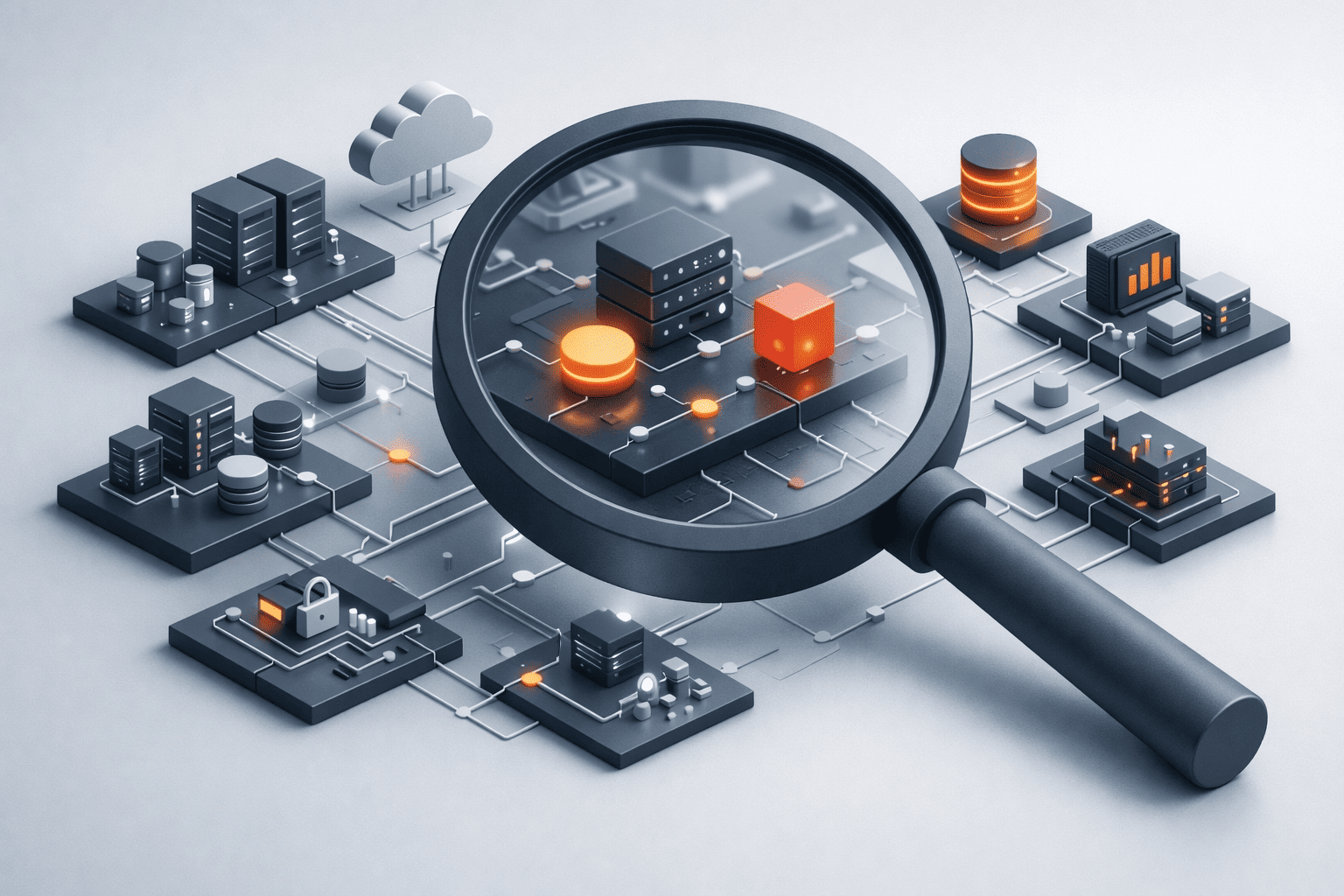
Vulnerability Assessment and Penetration Testing (VAPT) is a critical component of any modern cybersecurity strategy, enabling businesses to identify and address security weaknesses before they can be exploited. With cyber threats becoming more sophisticated, relying solely on basic security measures is no longer sufficient to protect sensitive data and systems.
At MB Sonexa LLC, we provide a structured and in-depth testing process that evaluates your systems from both a technical and practical perspective. Our approach combines automated vulnerability scanning with manual penetration testing techniques to simulate real-world attack scenarios. This ensures a deeper understanding of potential risks across applications, networks, and infrastructure.
We focus not only on identifying vulnerabilities but also on understanding their impact on your business operations. Each finding is carefully analyzed, prioritized based on risk level, and supported with clear recommendations for remediation. This enables your organization to take informed action and strengthen its overall security posture.
Our goal is to help you build a secure environment by proactively identifying weaknesses, reducing exposure to threats, and ensuring your systems remain resilient against potential cyber attacks.
System Scanning & Analysis
We scan your systems to detect known vulnerabilities, misconfigurations, and outdated components.
Manual Penetration Testing
Our experts simulate real attack scenarios to identify deeper security flaws that automated tools may miss.
Risk Evaluation & Reporting
Each vulnerability is assessed based on risk level, with detailed explanations and impact analysis.
Remediation Guidance
We provide clear, actionable recommendations to fix identified issues and strengthen security.
Service Outcome
- Identification of critical and hidden vulnerabilities
- Improved system security and resilience
- Reduced risk of cyber attacks
- Clear roadmap for security improvements
1. How often should testing be done?
Regular testing is recommended, especially after system updates or changes.
2. Will testing disrupt my systems?
No, testing is carefully conducted to avoid operational disruption.
3. What types of systems can be tested?
Web applications, networks, servers, and cloud environments.
4. Do you provide a report?
Yes, a detailed report with findings and recommendations is provided.
5. Is this necessary for compliance?
Yes, many compliance standards require regular security testing.